Innovative Engineering in Waste Incineration: A Q&A Insight into HICLOVER’s Advanced Systems
Innovative Engineering in Waste Incineration: A Q&A Insight into HICLOVER’s Advanced Systems
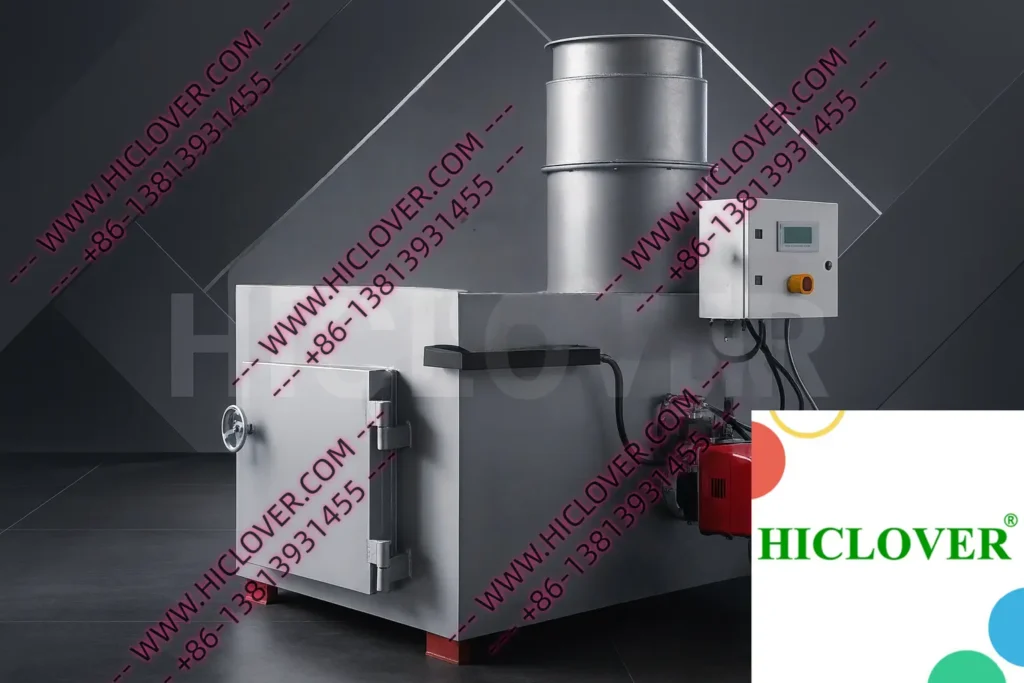
In today’s industrial environment, engineered systems such as **red bag waste incinerator**, **medical waste incinerators**, and devices built to **medical waste incinerator design standards** play an essential role in sustainable waste management. With strict industrial standards including precise temperature ranges—from moderate thermal conditions to high operational ranges exceeding 1000°C—and robust engineering reliability, modern waste incinerators become indispensable assets within the global industrial landscape. For instance, considerations such as the medical incinerator operating temperature standards ensure that combustion occurs under controlled and efficient conditions. This attention to technical detail forms the backbone of HICLOVER’s approach to manufacturing advanced waste incineration systems. The systems incorporate dual combustion chambers, offer mobile plug-and-play design features, and utilize a PLC automation platform, making these facilities highly competitive in today’s challenging regulatory and economic environments.
Technical Foundations in Advanced Waste Incineration
Q: What are the key technical features that set HICLOVER’s waste incinerators apart?
The engineering framework of HICLOVER’s solutions is built on robust technical foundations, integrating dual combustion chambers that meticulously manage waste burning in two stages. The primary chamber initiates combustion to ensure maximum energy release, while a secondary chamber supports thorough oxidation of residues, thereby meeting stringent industrial standards. HICLOVER’s systems are designed with a focus on controlled high-temperature retention—a critical facet for ensuring complete waste decomposition and reducing toxic emissions. This design adheres to established regulatory frameworks from organizations such as WHO and the EU, ensuring that the system not only complies with global emission standards but also optimizes energy recovery systems.
Engineered with advanced PLC automation and digital control systems, these waste incinerators replace manual modulation with precise operational adjustments. This transition to digital automation results in more stable incineration cycles, improved fuel consumption efficiency, and reduced carbon footprints. Additionally, the manufacturing process leverages containerized modular systems, offering versatility by adapting to remote mining or oil camps and even crisis zones & humanitarian camps. Such adaptability allows facility operators to deploy these systems in decentralized waste management settings efficiently