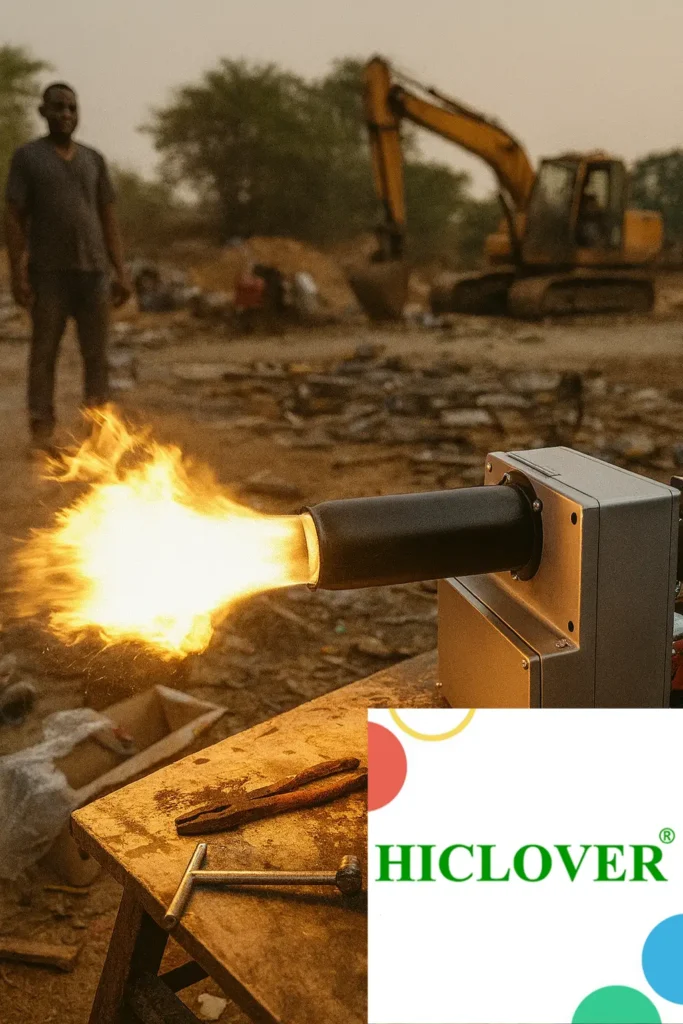
Evaluating HICLOVER Waste Incinerators: Technical, Economic, and Regulatory Insights
Evaluating HICLOVER Waste Incinerators: Technical, Economic, and Regulatory Insights
Modern industrial applications demand reliable, efficient, and compliant thermal waste destruction methods. **waste incinerators** have emerged as a cornerstone technology to address contemporary waste management challenges while meeting stringent environmental standards. Within the first 150 words of this detailed analysis, we underscore critical aspects such as **medical incinerator operating temperature standards** and temperature ranges typically spanning from 850°C to 1100°C. Engineering reliability is paramount, and HICLOVER integrates advanced containerized modular systems, dual combustion chambers, and PLC automation to secure optimal performance under demanding industrial conditions. This technical review targets government officials and regulatory bodies, providing a fact-based evaluation of design features, regulatory compliance, and economic returns. Notably, HICLOVER waste incinerator solutions also address global trends in decentralized waste management and energy recovery systems while ensuring ESG compliance through precise engineering and stable supply chain operations.
Technical Specifications and Industrial Standards
The technical performance of incinerators is governed by comprehensive industrial and regulatory standards. In this section, detailed attention is dedicated to the engineering specifications and compliance protocols that define modern heat-treatment facilities. One of the principal elements is the adherence to strict temperature retention and control parameters, ensuring that combustion processes reach the high temperatures required for complete waste oxidation. The dual combustion chamber design provides efficient thermal retention and ensures that hazardous components are neutralized effectively. Key technical temperature standards, such as those recommended by WHO and the EU emission frameworks, are achieved through integrated digital automation and high precision PLC systems. This engineering framework supports both fixed and containerized systems, allowing the system to function optimally under fluctuating feedstock characteristics.
Additional technical features include:
- Precise air-fuel ratio adjustments to maintain consistent flame temperatures.
- Implementation of both dry scrubber and optional wet scrubber systems to reduce particulate emissions.
- Integration of auto roll air filters and remote monitoring systems for process optimization.
- Robust control systems that comply with international emission guidelines and industrial safety standards.
Advanced combustion principles and controlled oxygen supply ensure that waste incinerators operate within the designed temperature range and achieve optimal enthalpy efficiency. This precise control also minimizes by-products and residual ash, making HICLOVER incinerators particularly attractive for applications in crisis zones and humanitarian camps where stringent environmental control is essential. For further technical details on manufacturing practices and quality assurance, consider visiting HICLOVER’s official website for an in-depth technical breakdown of component integration and system operations.
Comparative Incinerator Analysis: Fixed, Containerized, and Modular Systems
Evaluating various incinerator configurations is essential for government agencies tasked with selecting state-of-the-art systems for waste management. The comparison between fixed installations and containerized modular systems reveals significant differences in mobility, installation complexity, and operational flexibility. HICLOVER waste incinerator systems embrace containerized modular designs that allow for rapid deployment in remote mining or oil camp environments. These systems are engineered for digital automation and remote site suitability, ensuring that waste treatment remains uninterrupted even in designated crisis zones and humanitarian camps.
Key differentiators include:
- PLC vs Manual Control: Advanced digital PLC systems facilitate precise regulation of the incineration process, ensuring minimal human error and maximum thermal reliability.
- Dry Scrubber vs Wet Scrubber: The choice of emission control technology depends on local environmental regulations and waste characteristics. The incorporation of wet scrubbers can enhance particulate capture where required, while dry scrubbers offer simpler maintenance for smaller facilities.
- Mobile Modular Advantages: Mobile plug-and-play designs offer flexibility and rapid setup, ideal for decentralized waste management initiatives and temporary installations in remote sites.
Cost-effectiveness remains a key concern for regulatory bodies evaluating procurement options. Comparative analysis indicates that while fixed incinerators may provide slightly higher operational stability for continuous processes, containerized designs significantly reduce installation costs and enhance supply chain resilience. For further investigation on optimizing technical comparisons, you can explore detailed parameters at medical+incinerator+secondary+chamber+temperature+standard.
This comparative approach, which evaluates both digital automation and traditional systems, supports comprehensive decision-making where engineering reliability meets operational efficiency. Evaluators are encouraged to consider both lifecycle costs and regulatory compliance in their final